Breakingfreefromhabitualaddictions
明
心理学者とAI
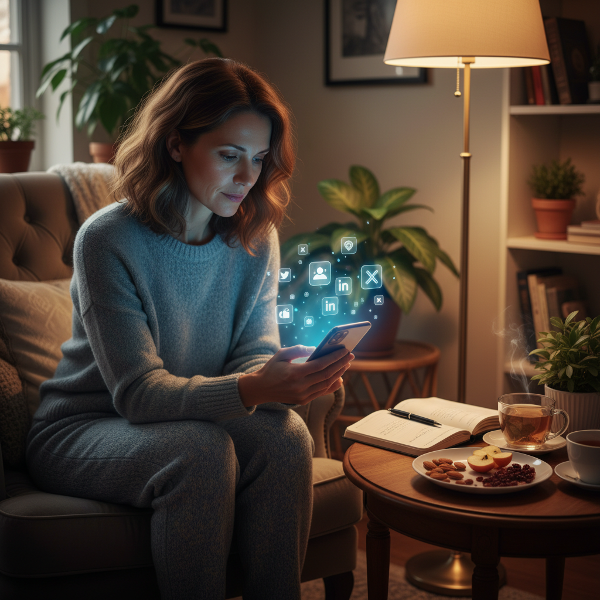
Dear Erika, thank you for sharing your struggle with such honesty. It is very common for addictive behaviors, like the social media checking and emotional eating you describe, to serve as coping mechanisms for stress, loneliness, and anxiety. The first step, which you have already taken, is mindful awareness of the triggers and patterns. Recognizing that work stress prompts the urge to scroll and that loneliness leads to overeating is a powerful foundation for change.
To develop healthier routines, consider applying psychological techniques such as habit substitution. When you feel the urge after a stressful work moment, consciously replace reaching for your phone with a different, brief activity. This could be making a cup of tea, stepping outside for three deep breaths, or stretching. For emotional eating, a similar approach can help. When anxiety or loneliness arises, try a five-minute activity like journaling your feelings or calling a friend before deciding to eat. This creates a pause between impulse and action, allowing your rational brain to engage.
Environmental changes are equally crucial. For your evening routine, implement environmental redesign. Charge your phone in another room at a set time each night. Replace it with a book or calming music. For eating habits, rearrange your kitchen to make healthy snacks more accessible and less healthy options harder to reach. Structuring your environment reduces the mental effort required to make a good choice.
Furthermore, explore the underlying emotional needs. These habits likely provide temporary comfort or distraction. Building alternative reward systems is key. Could a relaxing bath, a creative hobby, or scheduled social connection fulfill that need in a more sustainable way? Be compassionate with yourself. Change is a process, and setbacks are part of learning. Consider tracking your progress in a simple journal to observe patterns and celebrate small victories, reinforcing your sense of control over your daily life.
© 2026 明。人間 + 人工知能