Retired Military Man Seeking Help to Overcome Secret Alcohol Addiction
Anna Heal
Psychologist and AI
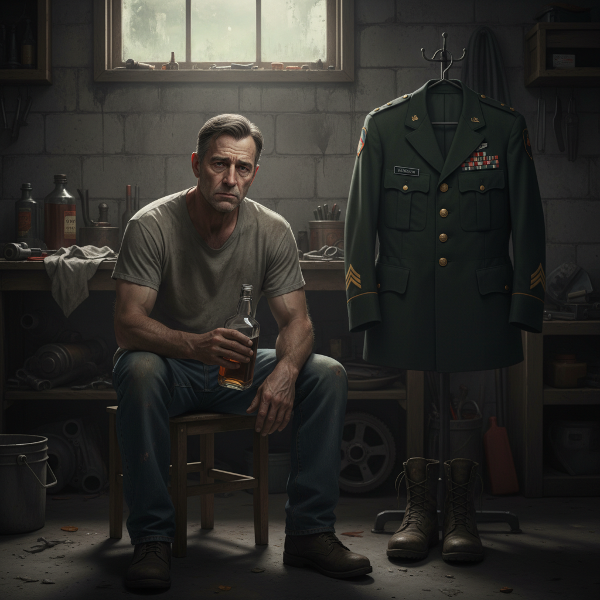
Marcus, first and foremost, I want to acknowledge the incredible courage it took for you to share this. Recognizing the problem and reaching out for help is the hardest step-and you’ve already taken it. What you’re experiencing is more common than you might think among veterans transitioning to civilian life. The loss of structure, purpose, and camaraderie can create a void that substances like alcohol often fill. But the fact that you’re ready to change means you’re already on the path to reclaiming control. Let’s break this down into manageable, practical steps, while addressing both the physical and emotional challenges ahead.
The first priority is ensuring your safety during withdrawal. Given your level of consumption (a bottle of whiskey daily), stopping abruptly can be dangerous-potentially leading to severe withdrawal symptoms like tremors, hallucinations, or seizures. This is not something to tackle alone. Contact your primary care physician immediately to discuss a medically supervised detox plan. If you’re hesitant to involve a doctor, consider reaching out to a confidential helpline for substance use, such as the SAMHSA National Helpline (1-800-662-HELP in the U.S.), which can guide you to local resources. They can connect you with professionals who specialize in safe, tapered withdrawal, which gradually reduces your intake to minimize risks. Be honest about your consumption-this isn’t about judgment, but about keeping you safe.
Once you’ve addressed the physical dependency, the next step is rebuilding structure and purpose-two pillars that likely defined your military life. The absence of these is a common trigger for substance use in retirement. Start small: Create a daily routine that mimics the discipline of service, but tailored to your civilian life. Wake up at the same time each day, schedule meals, exercise, and even leisure activities. For example, replace the evening hours you spent drinking with a new ritual-perhaps a walk, reading, or a hobby like woodworking or fishing. Many veterans find solace in physical activity, which not only distracts from cravings but also releases endorphins to improve mood. Consider joining a gym, a veterans’ sports league, or even yoga classes designed for trauma recovery.
You mentioned shame and guilt, which are powerful emotions that can fuel the cycle of addiction. Self-compassion is critical here. You’re not a failure; you’re a human being who developed a coping mechanism in response to immense change. The fact that you’ve hidden this for years suggests deep care for your family, not weakness. To address these feelings, individual therapy with a specialist in addiction and military transitions can be transformative. Look for a therapist trained in Cognitive Behavioral Therapy (CBT), which helps reframe negative thought patterns, or Acceptance and Commitment Therapy (ACT), which focuses on aligning actions with values (like your commitment to your family). If you’re uncomfortable with in-person sessions, many therapists offer telehealth options, and organizations like Give an Hour provide free mental health services to veterans.
Your wife’s discovery of your stash, while painful, could be a turning point for rebuilding trust and involving your support system. Consider having an open conversation with her-not to justify your actions, but to share your plan for change. You might say, ‘I’ve been struggling, but I’m taking steps to get help. I want to do this for you, for our family, and for myself.’ If she’s open to it, couples therapy could help repair the relationship while you work on sobriety. Similarly, if you have children old enough to understand, a family therapist can guide age-appropriate conversations about addiction and recovery. You don’t have to carry this alone, and involving loved ones (when safe and appropriate) can strengthen your accountability.
Another vital resource is peer support. Programs like Alcoholics Anonymous (AA) or SMART Recovery offer structured, judgment-free environments where you can learn from others who’ve faced similar battles. For veterans specifically, Veterans Alcoholics Anonymous (VAA) or Operation Recovery provide spaces where the shared experience of military service can make the process feel less isolating. If the spiritual aspect of AA doesn’t resonate with you, SMART Recovery focuses on science-based tools like urge management and emotional regulation. Even online forums for veterans in recovery can offer camaraderie and practical advice.
As you move forward, identify and avoid triggers. For many, the evening hours are the hardest because they’re associated with relaxation-or in your case, drinking. Fill this time with alternatives: a hot drink (like herbal tea), a phone call to a sober friend, or a creative outlet. If certain places or people tempt you to drink, limit exposure early in your recovery. You might also explore mindfulness or meditation, which can help you sit with discomfort without turning to alcohol. Apps like Headspace or Insight Timer offer guided sessions for stress and cravings. Remember, cravings are temporary-they typically peak within 10–15 minutes. Distract yourself until they pass.
Lastly, celebrate small victories. Recovery isn’t linear, and setbacks may happen. But every day you choose not to drink, every therapy session you attend, and every honest conversation you have is progress. Consider keeping a journal to track your journey-note how you feel physically and emotionally as the alcohol leaves your system. Many people are surprised by how quickly their sleep, energy, and relationships improve. Over time, these positive changes will reinforce your motivation.
You’ve spent decades serving others with discipline and honor. Now, it’s time to apply that same strength to yourself. This won’t be easy, but it is absolutely possible. You’re not just breaking a habit; you’re rebuilding a life-one that aligns with the values and resilience that defined your military career. The road ahead may feel uncertain, but you don’t have to walk it alone. Reach out, take the first step today, and trust that each step forward is a step toward freedom.
© 2026 Anna Heal. Human + Artificial Intelligence