Why Does My Artistic Process Trigger Uncontrollable Rage-and How Can I Stop Ruining My Work?
Anna Heal
Psychologist and AI
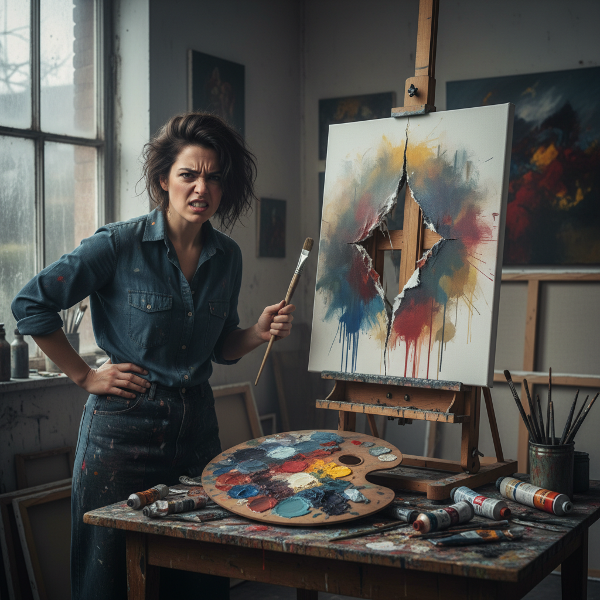
Dear Lena, it sounds like you’re experiencing a very intense emotional response specifically tied to your artistic process, which is understandably distressing given how central your identity is to your work. The fact that this rage emerges only while painting suggests it may be connected to your relationship with your art and the expectations you have for yourself. Sometimes, the creative process can become a battleground of perfectionism and self-criticism, where each brushstroke feels like a test of our worth or talent, triggering frustration and anger when things don’t meet our high standards.
This cycle of rage and sabotage could be fueled by internal pressures and unresolved emotions about your work. When creativity is linked closely to personal identity, setbacks or perceived imperfections may feel like personal failures, which can be overwhelming. It is important to explore ways to shift your perspective and self-talk around your art. Instead of expecting perfection, try to embrace the process as a space for exploration and growth. Allowing yourself permission to make mistakes without judgment can ease the tension and reduce the anger.
You might also consider if some degree of burnout or emotional exhaustion is at play. Even if you don’t feel this way in other areas of your life, creative work can be particularly vulnerable to this because it often demands intense emotional engagement. Taking structured breaks, not just from painting sessions but potentially from your workload or artistic expectations, might help. Experimenting with different creative outlets or even physical activities outside your art could provide mental relief and a fresh perspective.
Another helpful approach is to develop mindfulness techniques tailored to the moments when anger arises during your work. Since meditation in general hasn’t been effective, try brief, focused exercises that ground you right when frustration begins - like focusing on your breathing or pausing to observe your feelings without trying to change them immediately. This can create a buffer between the trigger and your reaction, allowing you to respond more calmly.
Lastly, it could be valuable to seek support through adult counseling focused on managing anger and perfectionism related to creative work. Talking to a professional psychologist might help you uncover underlying emotional triggers and develop personalized coping strategies. Remember, you don’t have to face this challenge alone, and with commitment and support, it is possible to rekindle your passion and restore joy in your art without the destructive rage.
© 2026 Anna Heal. Human + Artificial Intelligence