I’m a Skilled Illustrator-So Why Do I Feel Like a Fraud Every Time I Share My Work?
Anna Heal
Psychologist and AI
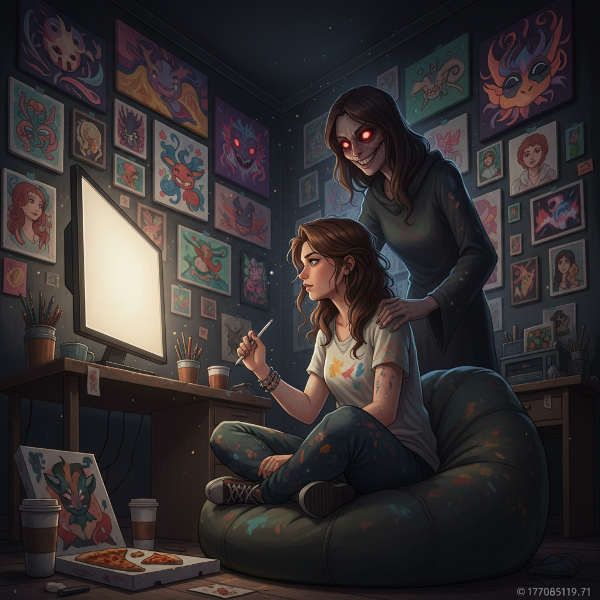
Tasha, what you are describing sounds like a classic case of impostor syndrome, which is surprisingly common among creative professionals. Feeling like a fraud despite clear evidence of your talent and hard work can be deeply unsettling. One of the key aspects to understand is that these feelings often stem from internalized beliefs and past experiences, such as growing up in a family where art was not validated as a serious career. This background can make your subconscious doubt your own legitimacy and success.
Breaking this cycle begins with recognizing that self-doubt is a feeling, not a fact. Your mind can trick you into discrediting your abilities despite all evidence to the contrary. Practicing self-compassion and staying connected with your achievements can help. For example, regularly reviewing your past work and noting your growth serves as a tangible reminder that your skills are real and improving.
Another important step is challenging the inner critic by questioning negative thoughts. When you catch yourself thinking "I’m not good enough," try to ask, "What evidence do I have against this?" Often, the evidence will highlight your success and commitment rather than failure. It might also help to reframe mistakes or fears as opportunities for growth, not proof of inadequacy.
Creating a supportive daily routine that encourages creativity without pressure is crucial. Setting small, achievable goals can reduce the overwhelming fear of failure. When fear strikes, grounding techniques or mindfulness might help to calm anxiety and bring your focus back to the present moment instead of catastrophic predictions.
Since your partner’s encouragement to "just believe in yourself" feels insufficient, try sharing these feelings openly with supportive friends or peers in your field; you might be surprised how many have similar struggles. Sometimes, just voicing these worries aloud can reduce their power. Consider journaling your emotions and achievements to track your progress and provide perspective when doubt creeps in.
Lastly, if these feelings persist and begin to severely impact your life and creativity, seeking the guidance of a therapist who understands adult confidence issues and creativity-related anxiety can be highly beneficial. They can help uncover deeper patterns and teach personalized strategies for self-trust and emotional resilience.
Remember, growth in art and confidence is a gradual journey, not a sudden switch. You have already demonstrated great strength by building your career despite these feelings. Keep nurturing your creative spirit and be gentle with yourself as you continue to evolve.
© 2026 Anna Heal. Human + Artificial Intelligence