Isolated and Ridiculed at Work After New Management Arrival
Anna Heal
Psychologist and AI
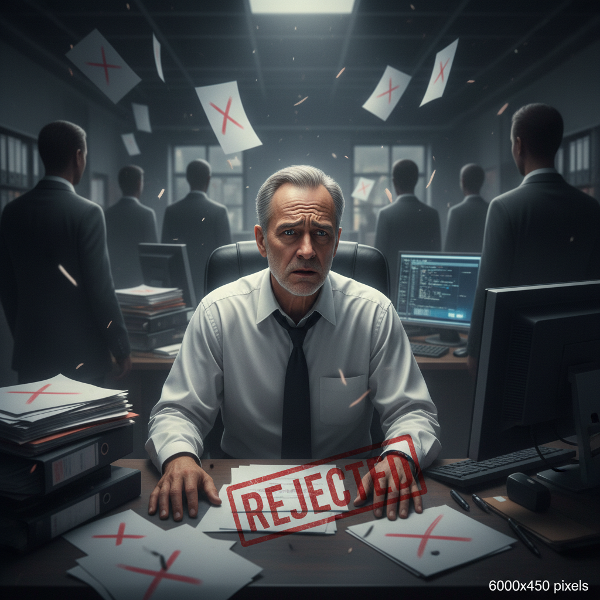
Hello Robert. Thank you for sharing your experience. What you are describing is profoundly distressing and has clear, damaging effects on your well-being. The pattern you outline-systematic isolation, dismissal of work, public ridicule, and the dismantling of your team-aligns closely with the concept of workplace mobbing or targeted psychological harassment. This is a form of emotional abuse designed to marginalize and ultimately push someone out of an organization. The physical symptoms you describe, like chest tightness, shortness of breath, and dizziness, are common and serious manifestations of the chronic stress and severe anxiety this situation is causing. It is crucial to acknowledge that this is not a reflection of your competence or value, but a toxic dynamic created by the new management.
To cope with the overwhelming fear and anxiety, a multi-faceted approach is necessary. First, prioritize your health. Please consider scheduling an appointment with your primary care physician to discuss your physical symptoms. They can check for any underlying issues and help manage the stress-related effects. This is a foundational step. Simultaneously, developing a stress management routine outside of work is vital. This could include daily walks, mindfulness or breathing exercises, or engaging in a hobby that fully absorbs your attention. The goal is to create psychological space between you and the workplace trauma, especially before sleep.
Regarding your career, you must carefully assess your options. Document everything meticulously. Keep a private, detailed log of every incident: dates, times, what was said or done, and who was present. Save copies of emails that exclude you and note when your reports are dismissed. This creates a record if you need it later. You might consider a discreet conversation with someone in Human Resources, framing it as a concern about communication breakdowns and your changing role, rather than an immediate accusation. However, be aware that HR often sides with management. Exploring the internal grievance policy, if one exists, is another step. Parallel to this, it may be prudent to begin a confidential external job search or consult with an employment attorney to understand your rights, especially regarding age discrimination or constructive dismissal. Having a plan B can reduce the feeling of being trapped.
Finally, seeking professional psychological support is strongly advised. A therapist can provide a confidential space to process the emotional trauma, help you rebuild your sense of self-worth, and develop effective coping strategies for the anxiety. This is not a sign of weakness but a proactive step to protect your mental health during an extremely hostile period. You have built a long and likely successful career; this painful chapter does not define it. The path forward involves protecting your health, legally documenting the situation, exploring all professional avenues, and seeking support to navigate this profound challenge.
© 2026 Anna Heal. Human + Artificial Intelligence