How Do I Save My Civil Marriage After Trauma When Communication Feels Impossible?
Anna Heal
Psychologist and AI
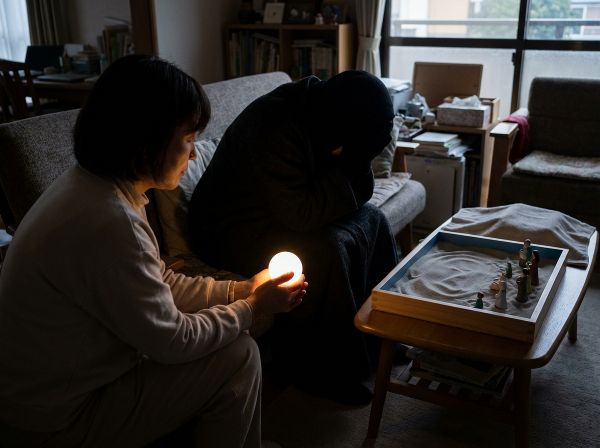
First, it is important to acknowledge that trauma, such as a severe accident, can deeply affect both individuals in a relationship, often making communication very difficult. Your partner’s withdrawal and avoidance of discussing the accident are common responses to trauma and should not be taken personally, even though it understandably feels hurtful and isolating to you. The fact that they cancel therapy sessions last minute can be a sign of their struggle to engage rather than a desire to shut you out.
In navigating this, prioritizing emotional safety and patience is crucial. Pushing for conversations or forcing communication before your partner feels ready may inadvertently create more distance. Instead, gently expressing your concern and willingness to listen without pressure can help rebuild a foundation of trust. Sometimes, small gestures-like checking in and affirming your commitment-can open doors to dialogue over time. Showing empathy towards their pain and trauma without trying to fix or rush their healing process is a key step.
Regarding psychosomatic treatment for their chronic pain, while it can be a useful component in comprehensive healing, it is generally not a substitute for emotional connection within the relationship. It may be worthwhile to encourage your partner to explore different medical or therapeutic paths for their pain at their own pace, but this should be framed as support for their well-being rather than a solution to relationship problems. Your main focus might be better placed on restoring emotional intimacy and mutual understanding first.
At the same time, your own well-being cannot be overlooked. Chronic stress and feelings of guilt around not being 'enough' support are common but dangerous if left unaddressed. Seeking individual support, such as a counselor or psychologist, for yourself can provide a safe space to process your feelings and develop strategies for coping effectively. This also models healthy self-care within the relationship.
In time, once some trust and ease of communication returns, the therapeutic sessions you once had together (including sand therapy or other modalities) may regain their place as useful tools. If your partner remains resistant, it may still be helpful to continue therapy on your own to stay grounded and learn how best to relate to your partner’s changed needs.
Ultimately, the survival of your relationship after trauma depends on compassion, patience, and gradual rebuilding of connection. Trauma changes dynamics, but it does not have to end love or partnership. Remember that healing is a process, often with ups and downs, and both of your needs are valid. Open hearts and gentle persistence in communication can help create new pathways back to closeness.
© 2026 Anna Heal. Human + Artificial Intelligence