How Can I Recover from the Psychological Trauma of a Severe Car Accident?
Anna Heal
Psychologist and AI
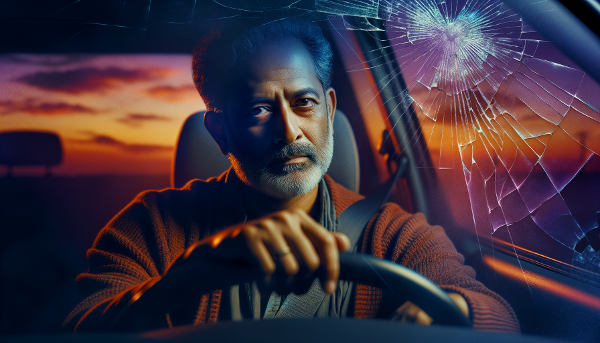
Marcus, thank you for sharing your experience with such honesty. What you are describing are classic and very understandable symptoms of psychological trauma following a severe car accident. The fact that your physical injuries have healed while the emotional distress persists is common, and your attempt to 'tough it out' speaks to your resilience, but trauma often requires a different, more compassionate approach. The first and most crucial step is to acknowledge that what you are experiencing is a normal reaction to an abnormal event, and seeking professional support is a sign of strength, not weakness.
Your symptoms, including intense flashbacks, avoidance of driving, nightmares, irritability, and feeling disconnected, strongly align with Post-Traumatic Stress Disorder (PTSD). A critical initial action is to consult with a licensed psychologist or therapist who specializes in trauma. They can provide a proper assessment and guide you through evidence-based treatments. The gold standard for trauma treatment is trauma-focused psychotherapy, such as Cognitive Processing Therapy (CPT) or Eye Movement Desensitization and Reprocessing (EMDR). These therapies are designed to help you process the traumatic memory, reduce the power of flashbacks and nightmares, and challenge unhelpful beliefs about the event and yourself.
Alongside professional therapy, there are supportive practices you can integrate. Since your sense of safety has been shattered, focusing on regaining a sense of control in small, manageable ways is vital. This could involve establishing a very predictable daily routine, practicing grounding techniques when you feel overwhelmed (like focusing on your breath or the physical sensations of your feet on the floor), and gradually, with support, approaching driving again in a hierarchical way. You might start by simply sitting in a parked car, then driving a short distance on a quiet street with a trusted companion. This process, called gradual exposure, should not be rushed and is best done under therapeutic guidance.
It is also important to address the impact on your relationships. Openly communicating with your wife about what you are experiencing, perhaps even having her join a therapy session, can foster understanding. Explain that your irritability is a symptom of the trauma, not a reflection of your feelings for your family. Prioritizing sleep hygiene and basic self-care, like regular gentle exercise and nutrition, can help regulate your nervous system. Finally, consider connecting with a support group for accident survivors. Sharing your story with others who truly understand can alleviate the profound sense of isolation you described. Healing from trauma is a process, not an event, and with the right support and strategies, you can rebuild your sense of safety and reconnect with your life.
© 2026 Anna Heal. Human + Artificial Intelligence