Midlife Project Manager with Sudden Explosive Anger and Irritability - Is Burnout or Something Else the Cause?
Anna Heal
Psychologist and AI
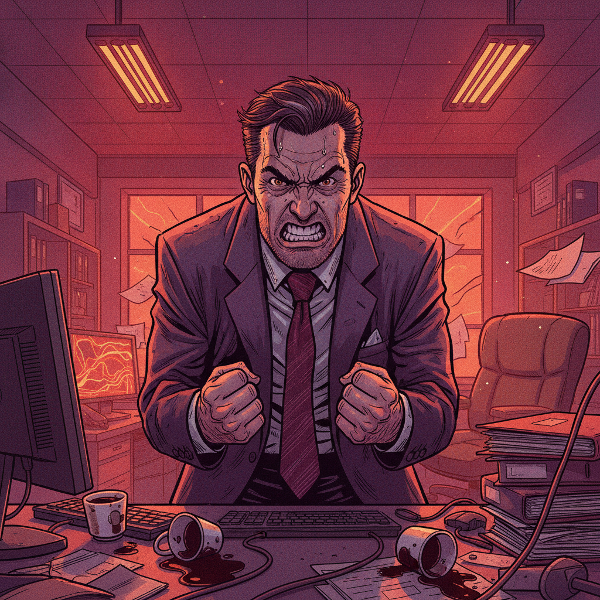
You describe a distressing, sudden change in how you react to everyday triggers. First, it is important to acknowledge that what you are experiencing is real and consequential: increased irritability, sudden rage, racing heart, and the need to leave situations to avoid exploding are significant changes that deserve careful attention. Several possibilities can explain this pattern, and often more than one factor contributes. I will outline the most likely contributors, how they differ, and practical steps you can take now to reduce risk and regain control.
Possible causes and how to tell them apart. One reasonable possibility is work-related burnout. Burnout commonly involves emotional exhaustion, cynicism or irritability, reduced tolerance for mistakes, and a sense of being depleted. When someone is chronically overworked, their threshold for frustration falls and small problems feel much larger. However, burnout alone does not always produce sudden, intense rage with a fight-or-flight physiological reaction (racing heart, clenched fists) that you describe.
Anxiety and stress reactivity can produce the physical symptoms you mention. Prolonged stress makes the nervous system more reactive, so minor frustrations trigger an outsized physiological alarm response. That can look like anger because anger is a common behavioral response to an activated stress system.
Depressive disorders sometimes present primarily as irritability or anger, especially in men, even when classic sadness is not obvious. If you notice low energy, loss of interest in things you used to enjoy, changes in sleep or appetite, or persistent negative thinking, depression could be a contributor.
Intermittent explosive disorder and impulse-control problems are less common but involve repeated episodes of sudden aggression out of proportion to provocation. These diagnoses are made by a clinician, and they require a pattern over time and ruling out other causes.
Medical and substance-related causes should be considered. Although you said physical exams were normal, some medical conditions (thyroid problems, certain neurological issues, sleep apnea, testosterone changes) and medications or substances (alcohol, stimulants, some over-the-counter drugs) can increase irritability or impulse control problems. You mentioned no abnormal findings, but if testing was limited, it may be worth revisiting with your primary care clinician.
Relationship timing and hormone cycles. Your observation that anger spikes in the week before your wife’s period is interesting. Premenstrual dysphoric disorder affects the person who menstruates, not their partner, so she is correct that PMDD does not cause your emotions directly. However, relational dynamics can make your own stress or irritability worse during predictable times if arguments, tension, or increased household stress tend to occur then. In other words, her symptoms could be creating a more stressful environment for you at that time and lowering your tolerance, but they do not biologically cause your rage.
How to approach this right now. First, reduce immediate risk. If you worry you might harm anyone or lose control in a way that puts your job or relationships at risk, create a short plan: step away from stressful interactions, call a trusted person before reacting, and remove access to places or objects that raise the stakes. At work, design a specific escape routine when you feel the build-up: leave the room for five minutes, go for a short walk outside, or sit in a quiet space and use a brief grounding routine (slow counting, noticing five things you can see, four you can touch, three you can hear). These small behaviors decrease physiological arousal and reduce the chance of an outburst.
Behavioral strategies that help reactivity. When you feel anger rising, you are experiencing a physiological cascade. Techniques that interrupt that cascade are helpful: deep diaphragmatic breathing for one to three minutes (slow in for four counts, out for six), progressive muscle relaxation where you tense then release major muscle groups, and brief sensory grounding (holding an ice cube, smelling a strong scent, or splashing cold water on your face). Over time, practicing these tools while calm makes them more effective when stressed.
Emotion awareness and labeling. Try to notice early physical cues (heart racing, jaw tension, heat) and label the emotion to yourself in neutral language: "I am feeling angry and my heart is racing." Naming emotions reduces amygdala reactivity and creates a gap between feeling and action. Complement this with brief self-statements that slow escalation, for example: "I can step away and handle this later," or "This mistake is frustrating, but it is not worth losing my relationships over."
Cognitive steps. Angry reactions are often fueled by interpretations that escalate events: seeing mistakes as incompetence, delays as personal attacks, or small household lapses as signs of disrespect. Practice testing these interpretations. Ask yourself: what is the evidence that this was intentional? What are alternative explanations? Would I react the same way if I were well rested and not under pressure? Over time, reframing reduces the moral intensity of small errors and lowers anger.
Practical workplace adjustments. Because you are a project manager with added responsibilities, look for ways to reduce chronic overload and structural triggers. Delegate clearly, set realistic deadlines, reduce perfectionistic expectations, and create regular short breaks. If possible, speak to a supervisor about workload or ask for temporary support. Even small systemic changes can relieve the constant background stress that primes explosive reactions.
Relational work. Communicate with your wife and family about what is happening in a calm moment, not during a flare. Explain you are seeking help and want to avoid hurting them. Establish short signals you can use when you need to step away before an outburst. Family members can help by not escalating, giving you space, and reminding you of breathing or time-out strategies. Couples therapy can help with patterns that recur around your wife’s cycle so both of you feel supported and the dynamics do not spiral.
When to seek professional help. Because this is a new and intense change, I recommend seeing a mental health clinician who works with adults (a psychologist, clinical social worker, or counselor) for assessment and treatment. A clinician can evaluate for depression, anxiety, sleep disorders, substance contributions, and impulse-control disorders. They will also assess safety risks and provide evidence-based treatments such as cognitive-behavioral therapy (CBT) for anger and stress, and dialectical behavior therapy (DBT) skills for emotion regulation. You do not need to wait to get better to seek help; earlier treatment reduces relationship and work damage.
Short-term medical check-ins to rule out medical contributors. Ask your primary care clinician to review current medications and consider screening tests if not already done: thyroid function, basic metabolic panel, sleep assessment (questions about snoring, daytime sleepiness), and substance use. If there are concerns about a mood disorder or biological contributor, your primary care doctor can coordinate referrals. I am not a psychiatrist, so I won’t go into medication options here, but a medical review is still a reasonable step.
Longer-term therapies and skills. Evidence-based approaches that help persistent anger include CBT focused on anger, DBT emotion regulation and distress tolerance skills, mindfulness-based stress reduction to lower reactivity, and structured anger management groups. Therapy will also help uncover and work on underlying beliefs (perfectionism, hyper-responsibility, fear of loss of control) that drive the intensity of your reactions.
Self-care and lifestyle foundations. Improve sleep consistency, reduce alcohol or stimulant use, maintain regular exercise (which you said you do, and that helps), and schedule time off to recover. Chronic sleep loss and poor recovery amplify irritability; making sleep a priority can reduce angry spikes significantly.
What to expect. With committed steps-reducing workload where possible, practicing immediate de-escalation strategies, seeking assessment, and beginning therapy-many people see meaningful reductions in frequency and intensity within weeks to months. The exact timeline varies, but early action improves outcomes and reduces risk to relationships and work.
Final practical plan. Immediately: adopt an escape routine at work and home, practice short breathing and grounding, and tell a trusted person at work that you are stepping away when needed. This week: schedule a primary care check to review medical and sleep factors. Within two to four weeks: begin regular sessions with a licensed mental health professional experienced in adult anger and stress. Ongoing: reduce chronic workload where possible, practice cognitive reframing, and consider couples or family support to rebuild trust and prevent cycles that coincide with your wife’s menstrual-related symptoms.
Feeling out of control is frightening, but this pattern is treatable. You are not stuck with this new version of yourself. Take immediate steps to keep yourself and others safe, reach out for professional help, and prioritize small daily practices that interrupt the anger cascade. That combination gives you the best chance to protect your relationships and restore the calm you once had.
© 2026 Anna Heal. Human + Artificial Intelligence