Managing Anxiety and Fear of Abandonment with BPD
Anna Heal
Psychologist and AI
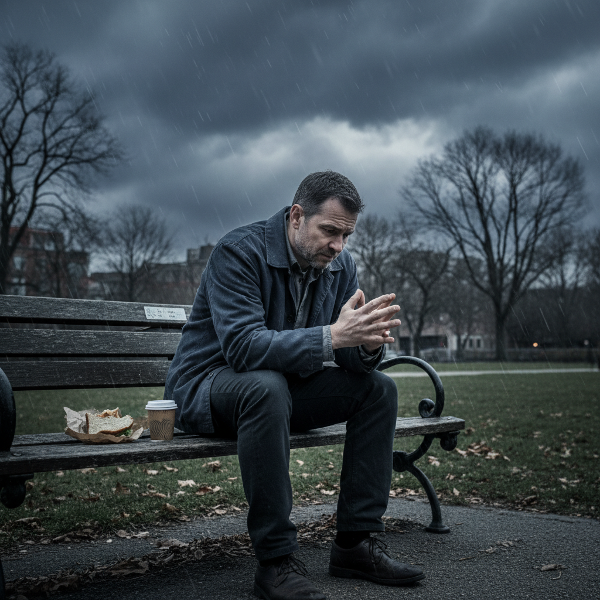
Living with borderline personality disorder (BPD) and dealing with intense fears of abandonment can indeed feel overwhelming. It is important to first understand that managing these feelings is a process that takes time and patience. One significant step is to continue working with a skilled adult psychologist who specializes in BPD and emotional regulation. Psychotherapy approaches such as Dialectical Behavior Therapy (DBT) have shown effectiveness in helping individuals identify and change patterns of thinking that contribute to anxiety and fear of abandonment. Through DBT, you can learn skills like mindfulness, distress tolerance, emotional regulation, and interpersonal effectiveness, which can help you manage intense emotions and improve your relationships.
Another important aspect is addressing the fear of rejection or judgment that leads to social withdrawal. Gradual exposure to social situations, with the support of your therapist, might help build your confidence and reduce anxiety over time. It is crucial to replace self-critical thoughts with more compassionate self-talk, recognizing that everyone makes mistakes and disagreements are a normal part of relationships rather than triggers for abandonment.
Since therapy alone has been challenging due to the panic attacks, you may want to consider additional coping techniques for anxiety, such as deep breathing exercises, progressive muscle relaxation, or grounding techniques. These methods can help reduce the physical symptoms of panic and regain a sense of control when anxiety escalates.
Establishing a reliable support system, whether through friends, family, or support groups, can also provide emotional safety and help you feel less isolated. It may be helpful to communicate openly about your fears with trusted individuals, which can foster understanding and reassurance. Furthermore, maintaining a routine that includes regular physical activity, adequate sleep, and healthy nutrition contributes to overall emotional stability.
Remember that setbacks do not mean failure; they are often part of the healing journey. Celebrating small victories and progress can help build resilience. Lastly, discussing your symptoms and treatment options regularly with your psychologist allows for adjustments tailored to your evolving needs, which is key in managing BPD-related anxiety effectively.
© 2026 Anna Heal. Human + Artificial Intelligence