How Can I Stop Compulsive Online Shopping Used As Stress Relief From My Home Business
Anna Heal
Psychologist and AI
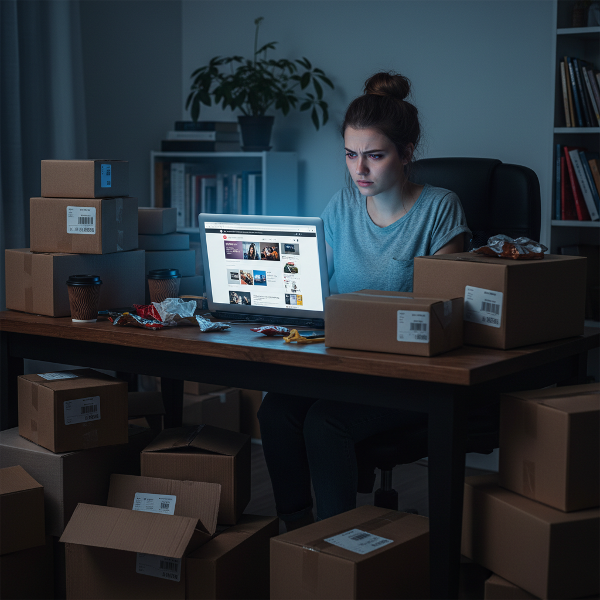
Hello Maya. Thank you for sharing your situation with such honesty. What you're describing is a very common pattern where online shopping has shifted from a practical activity to a primary method of emotional regulation, specifically for managing work-related stress and anxiety. The cycle of stress leading to browsing and purchasing, which provides a brief dopamine hit and distraction, followed by shame and financial worry, which then creates more stress, is a self-perpetuating loop that can feel impossible to break. The first and most crucial step is to approach yourself with compassion rather than judgment. The shame you feel is a heavy burden that actually fuels the cycle, making the behavior feel more secretive and compulsive.
To address the immediate behavior, we need to create both practical barriers and healthier alternatives. Since website blockers have not worked when used alone, we must pair them with a deeper strategy. One effective method is to implement a mandatory waiting period. When the urge to shop strikes, commit to a 24-hour rule: place items in the cart but do not purchase for a full day. This creates space between the impulsive feeling and the action, allowing the emotional intensity to subside. Simultaneously, you must develop a stress relief toolkit to use during that waiting period. This toolkit should contain activities that are genuinely engaging and provide a sensory or cognitive break. For your home office, this could include a five-minute stretching routine, stepping outside for fresh air, listening to a specific playlist, or working on a quick, non-digital creative sketch. The key is to have these alternatives pre-planned and easily accessible so they can become your new default stress response.
The financial secrecy and debt are significant sources of anxiety that must be addressed to reduce the overall stress load. Continuing to hide this creates immense psychological pressure. I strongly encourage you to find a way to confide in your partner. This is undoubtedly frightening, but carrying this secret alone is part of what maintains the cycle. You might consider speaking first with a financial counselor or a trusted friend to practice the conversation. A professional can help you create a structured, non-judgmental debt repayment plan. Taking concrete steps toward financial transparency, even if it begins with just acknowledging the total to yourself on paper, can reduce the shame and make the problem feel more manageable.
Underlying this is the need to examine the stressors from your home business. The environment where work, stress, and the compulsive behavior all occur is the same. We need to create clearer psychological and physical boundaries. Establish defined work hours and a dedicated workspace if possible. Schedule legitimate, guilt-free breaks that do not involve screens. Notice the specific triggers: is it an email notification, a difficult client task, or the silence of being alone? Once identified, you can plan for these moments with your new toolkit. Furthermore, explore the emotions shopping helps you avoid. Is it boredom, anxiety about performance, loneliness, or a feeling of inadequacy? Journaling about the urge when it arises-what you feel physically and emotionally right before you open a browser-can provide powerful insights.
Since this pattern has persisted for two years and involves significant debt, seeking support from a therapist specializing in cognitive-behavioral therapy (CBT) or compulsive behaviors would be highly beneficial. Therapy can provide a structured space to understand the root of the compulsion, develop personalized coping strategies, and process the shame in a supportive environment. You have already shown great strength by recognizing the problem and seeking help. Breaking this cycle is a process of replacing one habit with another, which requires patience and consistent practice. Focus on progress, not perfection. Each time you use your stress relief toolkit instead of shopping, you are weakening the old neural pathway and strengthening a new, healthier one.
© 2026 Anna Heal. Human + Artificial Intelligence