The Civic Listening Practice: How You Engage Across Differences

This reflective, non-clinical quiz explores habits of listening, questioning, and responding when people bring different experiences or viewpoints. For each situation, choose the option closest to what you would genuinely do, rather than what seems ideal. Each answer has an index from 1 to 3; add your selected indices across all 15 questions. Your total points determine which broad pattern best describes your current approach. The results are prompts for reflection, not diagnoses or measures of moral worth, and may vary with context.
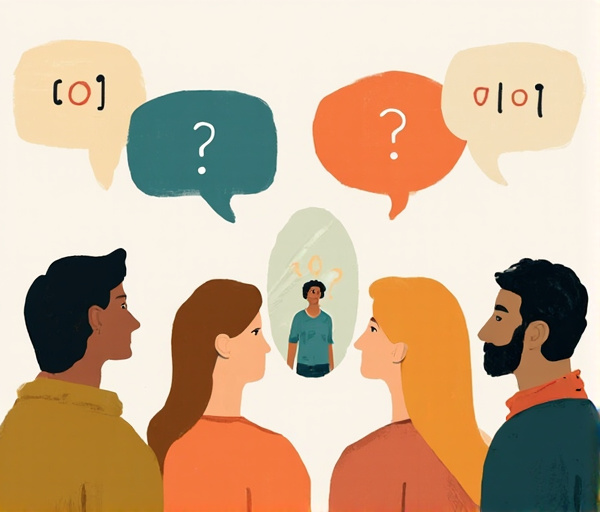
A reflective, non-clinical illustration of people listening, questioning, and responding across different viewpoints, with speech bubbles and soft, calm colors suggesting reflective insight rather than judgment.
⚠️ Please answer all questions before getting the result

1: Someone describes an experience that is unfamiliar to you. What do you do first?

2: A discussion turns to a group you know little about. How do you take part?

3: A person challenges a phrase you used. What is your usual response?

4: You encounter a headline about a social issue that strongly confirms your view. What next?

5: In a group conversation, one person is repeatedly interrupted. What are you most likely to do?

6: A friend makes a broad generalization about a social group. How do you react?

7: You are planning an event and realize some people may face barriers to participating. What do you do?

8: You hear two people describe the same disagreement in very different ways. How do you proceed?

9: A new policy is proposed to address unequal outcomes. What question do you ask first?

10: When someone uses a term you do not understand in a discussion, what do you do?

11: You notice that your first impression of someone may be based on a stereotype. What follows?

12: A person affected by a decision says the process overlooked an important concern. How do you respond?

13: A group you belong to is criticized. What is your first instinct?

14: You are unsure whether a joke could be hurtful to someone present. What do you do?

15: After a conversation, you realize you may have misunderstood someone's point. What do you do?

Ваш результат

Didn't find an answer to your question?
Chat with Anna anonymously and free for the first conversation
💬 Ask a Question in Telegram