Psychologist Anna Heal
Why Have I Lost Interest In Life After Retirement And Major Personal Changes
Anna Heal
Psychologist and AI
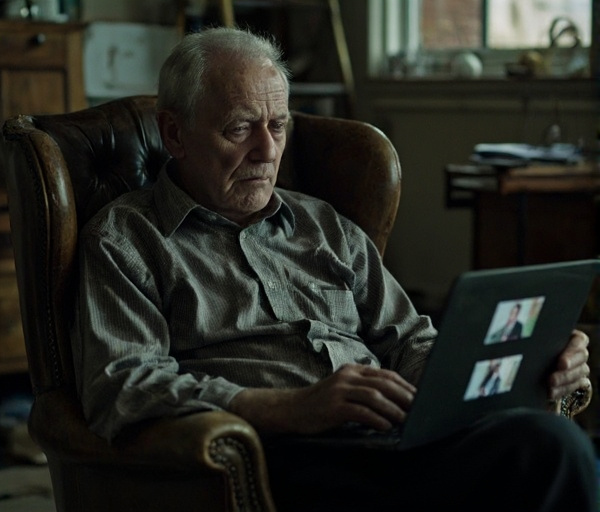
Thank you for sharing this, Martin. What you are describing sounds very familiar to many people in your situation, and it is important to take it seriously rather than dismiss it as simply laziness or a normal part of aging. You asked whether this could be depression, internet addiction, or another medical or psychological problem. The honest answer is that it could be any of these, or a combination, and the only way to know for sure is to speak with a professional who can assess you in person. However, I can help you understand the possibilities and what steps might be useful.
First, let us consider depression without intense sadness. Many people think depression always means feeling deeply sad or crying all the time. In reality, depression can look like emotional flatness, loss of interest in things you used to enjoy, low motivation, sleep problems, appetite changes, and a sense that nothing ahead is meaningful. You mentioned that you can still laugh occasionally, which is common. The key signs are the persistent loss of interest and pleasure for weeks or months, along with changes in sleep, appetite, and energy. Your recent life changes, retirement, the death of a close friend, and health worries, are exactly the kind of events that can trigger such a state. This is sometimes called adjustment disorder with depressed mood or a major depressive episode. The fact that you have no plans to harm yourself is reassuring, but the feeling that nothing ahead is meaningful is still a warning sign that should not be ignored.
Second, you asked about internet addiction. What you describe, sitting for hours watching short videos, opening websites even when you know it is a waste of time, and feeling irritated when you try to stop, does resemble problematic internet use. However, in my experience, this is often a symptom rather than the core problem. When people lose interest in real life, they often turn to passive screen activity as a way to fill time and numb discomfort. The irritation you feel when trying to stop suggests that the behavior has become a habit loop, but it may be your brain seeking easy stimulation because other activities no longer give you pleasure. So internet overuse here is likely a coping mechanism, not the root cause.
Third, there are medical conditions that can mimic depression. You mentioned that your recent medical tests were mostly normal, which is good, but some conditions can still be missed. For example, thyroid problems, low testosterone, vitamin B12 or D deficiency, sleep apnea, or chronic pain can all cause apathy and low energy. Also, some medications can have side effects that flatten emotions. Since you are 61, it is worth having a thorough medical review, including a sleep study if your doctor suspects apnea. You said your sleep is irregular, you wake several times, and you feel tired in the morning. That pattern alone can cause or worsen depression and apathy.
Fourth, consider grief and loss. The death of a close friend eighteen months ago is a significant loss. Grief does not always look like crying. It can look like numbness, withdrawal, and a loss of meaning. Retirement is also a major identity shift. For decades, your work gave structure, purpose, and social contact. Losing that, even if you still work part time, can leave a void. You are also avoiding friends because you do not know what to say. That avoidance then increases isolation, which deepens the apathy. So there is a vicious cycle here: life changes lead to low motivation, low motivation leads to withdrawal, withdrawal leads to more low mood, and so on.
Now, what signs would indicate that you should seek professional treatment? You should seek help if the apathy lasts more than two weeks and interferes with your daily functioning, if you feel hopeless or that life is not worth living, if your sleep and appetite problems continue, if you start using alcohol or drugs to cope, or if your family expresses concern. You do not need to wait until you feel suicidal. The fact that you are asking this question already suggests that something is wrong and that you want to feel better. That is a good sign. A psychologist or a doctor can help you sort out whether this is depression, a medical issue, or both. Do not try to diagnose yourself, because the overlap is too great.
As for small steps to regain interest in daily life, I will suggest a few that are based on the idea of behavioral activation. This means starting with very small actions even when you do not feel like it, because motivation often follows action, not the other way around. First, pick one tiny activity that used to matter, such as spending five minutes in the garden or reading one page of a history book. Do not wait for the desire to come. Just do it, and notice any small change in how you feel. Second, set a specific time limit for screen use, for example, thirty minutes of short videos, then stand up and do something else for five minutes. You can use a timer. Third, try to reconnect with one friend in a low pressure way, perhaps by sending a short message or meeting for a coffee without needing to talk about how you are doing. You can say, I have been a bit flat lately, but I would like to see you. Fourth, work on sleep hygiene: go to bed and wake up at the same time every day, even on weekends, avoid screens for an hour before bed, and get bright light in the morning. Fifth, consider gentle physical activity, such as a ten minute walk outside. Exercise has a modest but real effect on mood and energy. Sixth, write down one thing you are grateful for each day, not to force happiness, but to train your attention away from the flatness.
Finally, I want to address your worry that your family thinks you are lazy. That is painful, and it is also common. People who have never experienced depression often mistake it for laziness. You are not lazy. You are experiencing a loss of reward and motivation that is likely biological and psychological. You are still working part time, paying bills, and helping your wife, which shows you are pushing yourself despite feeling flat. That takes effort. Please consider sharing this answer with your wife or a trusted family member, or better yet, book an appointment with a psychologist or your primary care doctor. You deserve to feel interested in life again, and with the right help, that is possible.
© 2026 Anna Heal. Human + Artificial Intelligence