Retirement Tension: Constant Criticism from My Wife is Draining Me
Anna Heal
Psychologist and AI
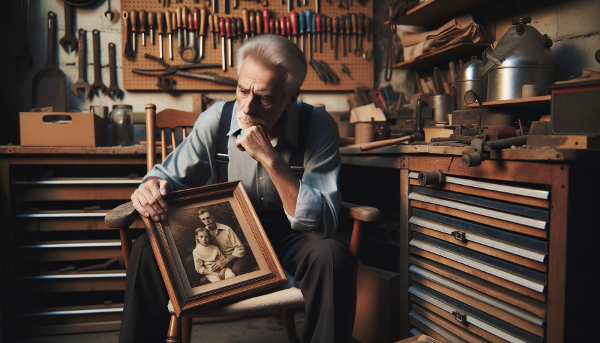
Robert, your experience is more common than you might think, and while retirement is a major life transition, the level of tension you’re describing suggests this is more than just an adjustment period. What you’re facing is a collision of two significant shifts: your transition into retirement and the redrawing of boundaries and roles in a long-term marriage. The constant criticism and feeling of being unable to please your wife-despite your efforts-are signs of a deeper dynamic that needs attention. Let’s break this down and explore how you might approach it.
First, it’s important to recognize that retirement isn’t just a change in your daily routine; it’s a psychological and identity shift. For many men, work provides structure, purpose, and a sense of competence. When that’s suddenly removed, it can leave a void that’s hard to fill, especially if your wife’s expectations of your role at home don’t align with your own. Meanwhile, your wife may also be grappling with her own adjustments. If she’s been managing the household for decades, your sudden presence might feel disruptive, even if she doesn’t consciously realize it. Her criticism could stem from unspoken fears or frustrations, such as the loss of her own routine, concerns about financial stability, or even anxiety about aging and what this new phase of life means for both of you.
The cycle you’re describing-where you try to help, she criticizes, you withdraw, and resentment builds-is a classic example of a negative interaction pattern. In relationships, these patterns often develop when both partners feel unheard or unappreciated. Your withdrawal to the workshop, while understandable as a way to avoid conflict, might inadvertently be reinforcing the problem. It sends the message that you’re disengaging, which could make your wife feel even more frustrated or abandoned, leading to more criticism. At the same time, her criticism may be her way of expressing a need for connection or control in a situation that feels uncertain to her. Neither of you is likely intentionally trying to hurt the other, but the dynamic has become toxic nonetheless.
So, how do you break this cycle? The first step is to shift the focus from the content of your arguments to the underlying emotions and needs. For example, when your wife says you’re ‘underfoot,’ she might actually be feeling overwhelmed by the change in dynamics or fearful of losing her own space. When you try to help and she says you’re doing it wrong, she might be expressing a need for things to be done a certain way-not because your way is inferior, but because it represents a loss of control in her domain. Similarly, your fatigue and withdrawal are likely signs of feeling emotionally unsafe or unvalued in your own home. Recognizing these deeper layers can help you both approach the conflict with more empathy.
One practical strategy is to initiate a conversation about the transition itself, rather than the specific criticisms. Find a neutral time-when neither of you is already frustrated-and say something like, ‘I’ve noticed we’ve both been struggling since I retired. I think we’re figuring out how to navigate this new phase, and I’d like to understand how you’re feeling about it.’ This opens the door for her to share her concerns without immediately defensive reactions. It’s also helpful to use ‘I’ statements to express your own feelings without blaming her. For example, ‘I feel like I’m walking on eggshells because I want to help but I’m not sure how,’ rather than, ‘You’re always criticizing me.’ This reduces the likelihood of her feeling attacked and escalating the conflict.
Another key step is to negotiate new roles and boundaries together. Retirement doesn’t mean you have to take on all the household tasks, nor does it mean you should have no role at all. Sit down and discuss what a fair division of labor looks like now that you’re both at home more. Be specific: What tasks does she want to keep handling? What tasks would she like you to take on? Are there areas where you can collaborate without stepping on each other’s toes? For example, maybe she prefers to manage the kitchen, but you could take over grocery shopping or yard work. The goal is to create a sense of teamwork and mutual respect, rather than a dynamic where one person is the ‘manager’ and the other is the ‘helper.’
It’s also worth considering whether your wife’s criticism is masking a deeper issue, such as depression, anxiety, or her own unmet needs. Retirement can be a trigger for existential questions like, ‘What is my purpose now?’ or ‘Are we growing old together in a way that feels meaningful?’ If her behavior seems out of character or particularly intense, she might be struggling with her own emotional response to this life stage. Encouraging her to reflect on her feelings-or even suggesting couples therapy if the tension persists-could be beneficial. Therapy isn’t just for ‘fixing’ broken relationships; it can also be a proactive tool for navigating transitions and strengthening communication.
For your part, it’s important to rebuild your sense of purpose and self-worth outside of your wife’s approval. Retirement can leave a void, and if you’re not careful, that void can be filled by seeking validation from your wife, which only sets you up for more frustration. Consider exploring new hobbies, volunteering, or even part-time work if it aligns with your interests. Your mention of the workshop is a great sign-having a space that’s yours, where you can feel competent and engaged, is crucial. However, be mindful of whether you’re using it as a complete escape. Balance is key: You deserve time for yourself, but completely withdrawing can deepen the rift between you and your wife.
Lastly, pay attention to the emotional toll this tension is taking on you. You mentioned a deep sense of fatigue that isn’t just physical. Chronic stress and conflict in a marriage can lead to emotional exhaustion, anxiety, or even depressive symptoms. It’s not uncommon for men in your situation to downplay their own emotional needs, but it’s important to acknowledge that this is affecting you. If you find yourself feeling hopeless, irritable, or disconnected from things you usually enjoy, it might be worth speaking to a therapist individually. A therapist can help you process your feelings, develop coping strategies, and approach the situation with your wife from a place of strength rather than defensiveness.
To summarize, this is not just a normal adjustment period-it’s a significant relational challenge that requires intentional effort from both of you. The good news is that with open communication, a willingness to understand each other’s perspectives, and a commitment to redefining your roles, this phase can become an opportunity to deepening your connection rather than driving you apart. It won’t happen overnight, but by addressing the emotional roots of the conflict and working together to create a new rhythm, you can move from resentment to renewal in this next chapter of your marriage.
© 2026 Anna Heal. Human + Artificial Intelligence