Retired Engineer Seeking Help for Sudden Overwhelming Panic Attacks
Anna Heal
Psychologist and AI
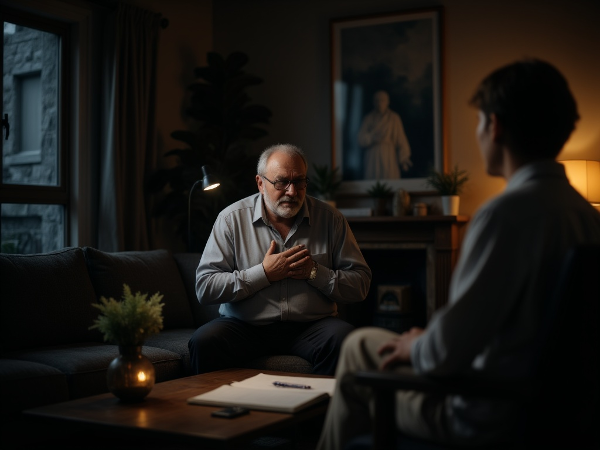
Hello Robert, thank you for sharing your experience. What you are describing aligns very closely with panic disorder. This is a specific type of anxiety disorder characterized by recurrent, unexpected panic attacks, which are sudden surges of intense fear or discomfort that peak within minutes, accompanied by the very physical symptoms you describe: heart palpitations, shortness of breath, dizziness, and nausea. The fact that these episodes feel like a heart attack and have led to emergency room visits is very common, as the physical sensations are real and profoundly frightening.
The causes of panic disorder emerging later in life, such as after retirement, are often multifaceted. A major life transition like retirement, even if welcomed, represents a significant shift in routine, identity, and daily structure. For a logical, career-oriented person, this loss of familiar framework can create underlying stress that manifests physically. There may also be unconscious anxieties about aging, purpose, or health that your conscious, practical mind has not fully processed. Sometimes, there is no single clear trigger, and it can relate to a combination of biological predisposition and accumulated life stress.
Effective psychological help is available and focuses on both understanding and managing the symptoms. Cognitive Behavioral Therapy (CBT) is considered the gold standard psychological treatment for panic disorder. A therapist trained in CBT would help you in two key ways. First, through cognitive restructuring, you would learn to identify and challenge the catastrophic thoughts (like "I'm having a heart attack" or "I'm losing control") that fuel the panic cycle. Second, you would practice interoceptive exposure, which are safe, controlled exercises to gradually expose yourself to the physical sensations of panic (like a racing heart or dizziness) in order to reduce your fear of them. This helps break the association between the sensation and the terror.
Additionally, therapy can address the avoidance behaviors you've started, like avoiding stores or social gatherings. Avoidance provides short-term relief but reinforces the disorder in the long term. A therapist will help you gradually and safely re-engage with activities, a process called in vivo exposure. Learning diaphragmatic breathing and grounding techniques can also provide immediate tools to manage the intensity of an attack. While I am a psychologist and not a psychiatrist, it is common for individuals with panic disorder to also consult a physician or psychiatrist to discuss if medication might be a helpful short-term adjunct to therapy to reduce the overall anxiety level and make psychological work more effective.
Your experience is not a sign of weakness or a failure of logic. It is a recognized medical condition that responds well to targeted treatment. Reaching out for help is the most logical and courageous step you can take.
© 2026 Anna Heal. Human + Artificial Intelligence