My Partner's Gaming Habit Is Making Me Feel Invisible and Panicked
Anna Heal
Psychologist and AI
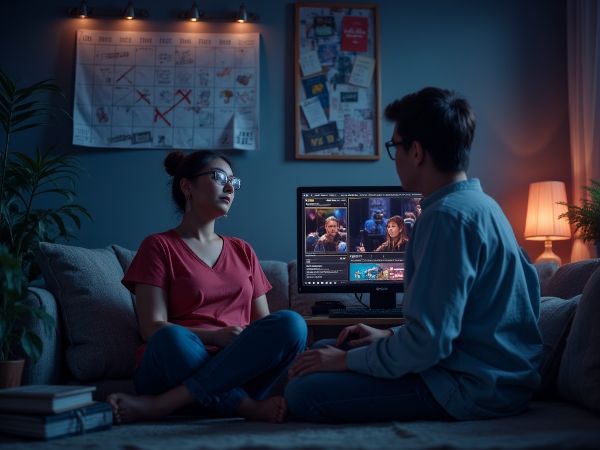
Maya, what you are experiencing is deeply painful, and feeling invisible and panicked in a relationship can understandably create a lot of distress. When a partner’s gaming habit takes up so much time that it crowds out shared experiences, it can feel like the relationship is no longer a priority for them. This situation is not unusual as many couples face challenges when individual hobbies or habits begin to dominate their lives, but it is important to address it constructively.
First, it’s essential to recognize that your partner’s gaming might indeed be his way to unwind, but that does not invalidate your need for connection and emotional intimacy. Your feelings of loneliness and being ignored are valid. Instead of framing the issue as gaming itself, try focusing on how his behavior impacts your feelings and the relationship. Expressing that you miss the time you used to share, the conversations and activities you enjoyed, can help shift the conversation away from blame to shared experience.
Approach conversations when you both are calm, and avoid initiating talks during or immediately after his gaming sessions when he might be more defensive. Using "I" statements rather than “you” statements may reduce defensiveness. For example, saying “I feel lonely when we don’t spend time together,” rather than “You always play games and ignore me,” can open the space for dialogue rather than conflict.
It might also help to suggest creating dedicated, regular times for connection that are non-negotiable, like a weekly date night or even 30 minutes in the evening just for each other before gaming begins. Emphasize that this isn’t about controlling his time but about nurturing your relationship. At the same time, try to show openness to understanding his need to unwind, perhaps by asking how gaming helps him relax and if there are ways you can be included or share some of his interests.
If discussions continue to lead to arguments or feelings of walking on eggshells, it may be time to consider relationship counseling with a professional who can facilitate communication in a safe environment. Sometimes, having a neutral third party helps both partners feel heard and understood, reducing tension and fostering empathy.
Lastly, also focus on your own well-being. Ensuring you have fulfilling activities, friendships, and self-care practices can help reduce anxiety and feelings of invisibility, even as you work on the relationship. If the dynamic does not improve, or your emotional needs repeatedly go unmet despite efforts, it is worth reflecting on whether this relationship is meeting your fundamental needs for intimacy and respect.
In summary, what you are feeling is significant and calls for open, honest, compassionate communication focusing on your feelings and shared connection rather than blame. Setting boundaries around quality time and seeking external support if needed can help navigate this difficult phase. You deserve to feel valued and connected within your relationship.
© 2026 Anna Heal. Human + Artificial Intelligence