How Can I Regain Control After a Traumatic Elevator Incident Triggered My Claustrophobia?
Anna Heal
Psychologist and AI
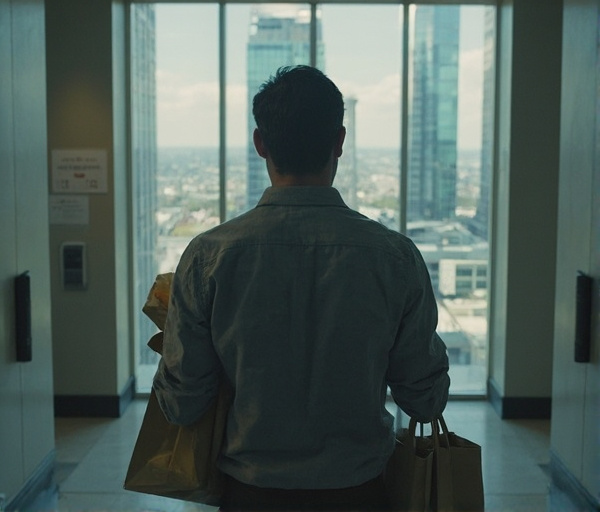
Thank you for sharing this with me, Darian. What you are describing sounds like a very understandable and common reaction to a frightening experience. Being trapped in an elevator for 40 minutes is a significant event, and it makes complete sense that your mind and body are now on high alert. The fact that you are noticing your fear spreading to other situations, like meeting rooms and subway tunnels, is a sign that your brain has learned to associate confinement with danger. This is not a sign of weakness, but rather a sign that your threat detection system has become overactive. The good news is that there are many effective steps you can take to regain a sense of control and help your nervous system settle down again.
The first step is to understand what is happening. When you were trapped, your body likely went into a fight-or-flight response, releasing stress hormones like adrenaline and cortisol. This response is designed to keep you safe, but it can become stuck in the 'on' position after a trauma. This is why you are now scanning for exits and feeling tightness in your chest. Your brain is trying to protect you by anticipating danger everywhere. Acknowledging this as a normal trauma response rather than a personal failing is an important first move. It is also important to gently challenge the avoidance that is starting to take over. Avoidance feels good in the short term because it reduces anxiety, but in the long term, it teaches your brain that the feared situation truly is dangerous. Each time you take the stairs instead of the elevator, you are reinforcing the fear. The goal is not to force yourself into an elevator immediately, but to gradually and safely reduce the avoidance.
One very practical approach is to create a graded exposure plan. This means making a list of situations related to your claustrophobia, ranked from least scary to most scary. For example, the least scary might be standing in a small closet for 10 seconds, then a minute, then standing in a stairwell, then looking at an elevator from a distance, then standing in an elevator with the door open, then taking one floor, and so on. The key is to stay in each situation until your anxiety naturally decreases, which might take several minutes, rather than leaving when it peaks. This teaches your brain that the feeling of confinement is not actually dangerous. You can do this on your own, but many people find it helpful to work with a therapist who can guide the process.
Another important tool is breathing retraining. When you feel that tightness in your chest, your breathing likely becomes shallow and rapid, which can increase feelings of panic. Practice slow, diaphragmatic breathing, where you breathe in through your nose for a count of four, hold for a count of four, and exhale slowly through your mouth for a count of six. Doing this for five minutes, twice a day, can help your body learn to calm down. You can also use this technique in the moment when you feel anxious. Mindfulness is another skill that can help you observe your thoughts without reacting to them. When you catch yourself scanning for exits, you can gently say to yourself, 'I am having the thought that this room is dangerous, but I am safe right now.' This creates a small distance between you and the fear.
It is also worth considering the role of sleep and routine. Your restless sleep is likely making your anxiety worse, as fatigue lowers your ability to cope with stress. Try to establish a consistent bedtime routine, avoid screens an hour before bed, and keep your bedroom cool and dark. If your mind races at night, write down your worries in a journal before bed. Regular physical activity, even a brisk walk, can also help metabolize stress hormones. And because this incident happened in your own building, you might feel a sense of anticipatory anxiety every time you come home. One strategy is to create a new, positive association with the elevator. For example, you could start by just pressing the button and walking away, then standing in the lobby near the elevator, then riding one floor with a friend, and gradually building up. It is important to be patient with yourself and to celebrate small victories.
Finally, I would encourage you to consider seeking professional support. A psychologist or therapist trained in trauma and anxiety can help you work through this more efficiently, especially if the fear continues to spread. Cognitive-behavioral therapy is particularly effective for claustrophobia and post-traumatic reactions. You do not have to let this incident define your life. With time, patience, and the right tools, you can regain your sense of control and return to the activities you enjoy. Remember that recovery is not a straight line, and some days will be harder than others. That is okay. The fact that you are asking this question shows that you are already taking the first step toward healing.
© 2026 Anna Heal. Human + Artificial Intelligence


