How Can I Support My Son Through Panic Attacks and Help Him Accept Himself?
Anna Heal
Psychologist and AI
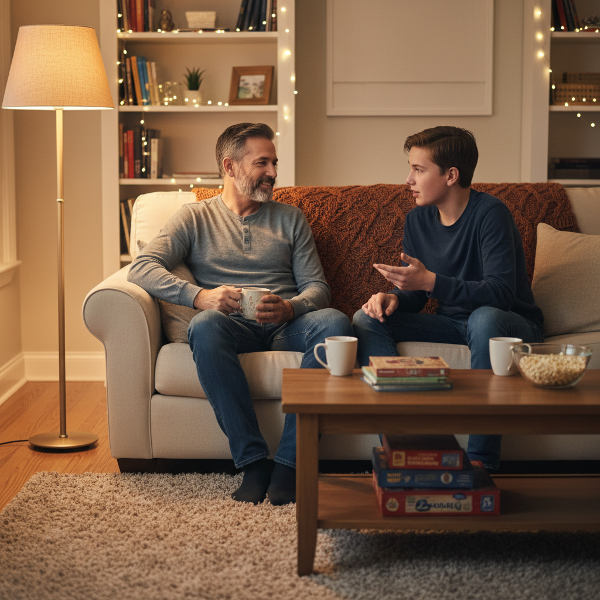
David, your concern for your son is deeply compassionate, and it’s clear you want to support him in the most nurturing way possible. While I specialize in working with adults, I can offer guidance on how you, as a parent, can approach this situation with sensitivity and effectiveness. The fact that your son is experiencing panic attacks and withdrawal at such a young age suggests that he may be grappling with underlying anxiety, self-esteem issues, or even social pressures that feel overwhelming. Your role as a supportive figure is critical, but it’s also important to recognize when professional help may be needed.
First and foremost, create a safe and non-judgmental space for your son to express his feelings. Avoid framing his experiences as something that needs to be "fixed" immediately. Instead, validate his emotions by saying things like, "It sounds like this has been really hard for you," or "I’m here to listen if you want to talk." This approach reduces the pressure he might feel to perform or meet expectations, which can often exacerbate anxiety. Let him know that panic attacks are not a sign of weakness but a natural response his body is having to stress. Normalizing his experience can help him feel less isolated or "broken."
When it comes to encouraging acceptance and management of his condition, start by modeling a calm and patient demeanor. If he sees you reacting with anxiety or frustration to his struggles, it may reinforce his own distress. Instead, gently introduce the idea that panic attacks are temporary and manageable with the right tools. You might share age-appropriate resources, such as books or videos about anxiety, that frame it in a way that feels relatable rather than clinical. For example, analogies like comparing anxiety to a "false alarm" in the brain can help demystify what he’s experiencing.
While I don’t work with minors, I can say that psychological therapy, particularly cognitive-behavioral therapy (CBT), is often highly effective for panic attacks and anxiety in adolescents. CBT helps individuals identify and challenge unhelpful thought patterns while teaching coping strategies like deep breathing, grounding techniques, and gradual exposure to feared situations. However, introducing therapy to your son requires finesse. Instead of saying, "You need to see a therapist," which might feel like criticism, try a collaborative approach: "I’ve been reading about how some people find it helpful to talk to someone who really understands anxiety. Would you be open to exploring that together?" This makes him feel like an active participant rather than the subject of an intervention.
If your son is resistant to therapy, consider family-based approaches or even parent training programs that teach you how to support him effectively. Sometimes, adolescents are more open to therapy if they see it as a tool for empowerment rather than a sign of being "broken." You might also explore mindfulness or relaxation techniques as a family. Practicing these together-not just when he’s anxious-can normalize them and make them feel like a shared activity rather than a "treatment." Apps like Headspace or Calm offer guided exercises that can be a low-pressure way to introduce these skills.
School can be a significant trigger for panic attacks, so collaborating with his teachers or school counselor (with his permission, if possible) can create a supportive network. Simple accommodations, like allowing him to step out of class for a moment if he feels overwhelmed, can reduce his fear of having an attack in front of others. However, be mindful not to enable avoidance behaviors entirely, as this can reinforce anxiety in the long run. The goal is to balance support with gentle encouragement to face fears in manageable steps.
It’s also worth considering whether there are specific stressors in his life, such as academic pressure, social dynamics, or even changes at home, that might be contributing to his anxiety. While you don’t need to solve these issues for him, helping him identify and articulate them can be empowering. Ask open-ended questions like, "What’s been on your mind lately?" or "Is there anything at school that feels really hard right now?" rather than direct questions that might feel intrusive.
Finally, take care of your own emotional well-being. Supporting a child through panic attacks can be emotionally taxing, and it’s easy to feel helpless or frustrated. Seek support for yourself, whether through parenting groups, therapy, or simply talking to trusted friends. Your ability to stay grounded will directly impact how your son perceives and manages his own emotions. Remember, your presence and patience are powerful tools-sometimes, just knowing he’s not alone in this can make all the difference.
If his symptoms worsen or he expresses thoughts of self-harm, it’s crucial to seek immediate professional help. While panic attacks are manageable, they can feel overwhelming, and having a mental health professional involved can provide both of you with the guidance you need. You’re already doing a wonderful job by seeking out ways to help-trust that your care and effort are making a difference, even if the progress feels slow.
© 2026 Anna Heal. Human + Artificial Intelligence