Graphic Designer Hitting a Wall: Constant Exhaustion and Lost Passion in a Demanding Career
Anna Heal
Psychologist and AI
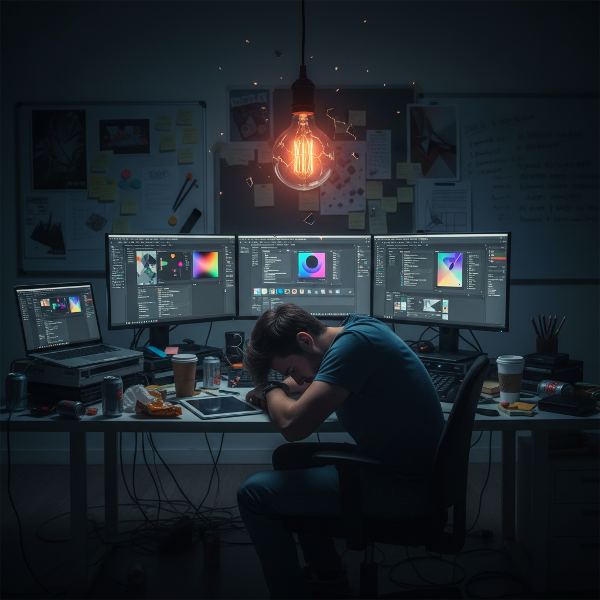
Marcus, thank you for reaching out and sharing your experience. What you are describing aligns very closely with the classic symptoms of professional burnout, a state of emotional, physical, and mental exhaustion caused by prolonged and excessive stress. The constant exhaustion despite sleep, the lost passion and detachment from work you once loved, the cynicism and irritability, and the reduced concentration and productivity are all hallmark signs. The physical symptoms like headaches and the inability to truly disconnect, feeling guilty when not working, further confirm this is a significant stress response to your demanding environment.
Since stepping away completely is not currently an option, recovery must focus on creating sustainable boundaries and replenishing your resources while you remain in your role. First, it is crucial to consult with a healthcare professional to rule out any underlying medical conditions contributing to your fatigue and headaches. From a psychological perspective, we need to address both the practical workload and the internal pressures. Begin by having an honest conversation with your supervisor or manager about your capacity. Frame it in terms of sustainability and project quality, not personal failure. Propose a realistic plan, such as negotiating deadlines, delegating tasks, or temporarily limiting the number of concurrent high-stakes projects. The goal is to establish a protected work-life boundary.
Simultaneously, you must address the internal drivers. The guilt and anxiety you felt on your weekend off indicate that your sense of self-worth has become overly tied to your productivity. This requires conscious effort to decouple. Practice structured digital disconnection by setting specific, non-negotiable times when you will not check email, perhaps for the first and last hour of your day and all of Saturday. Use this time for activities completely unrelated to design, focusing on physical movement, nature, or hobbies that engage different parts of your brain.
Cognitive-behavioral strategies can help manage the negative thought patterns. When you notice cynical or catastrophic thoughts about a project, challenge them. Ask yourself, "What is the actual, realistic worst-case scenario?" and "Is this thought helping me or harming me right now?" Mindfulness or brief meditation exercises, even five minutes a day, can help train your attention away from rumination and back to the present moment, potentially easing the headaches and improving focus.
Recovery from burnout is not about finding a single solution but about consistent, small actions that rebuild your sense of control and purpose. It involves redefining success to include your well-being as a non-negotiable component of your professional life. This process takes time and self-compassion. Please consider seeking support from a therapist who can provide personalized guidance through this challenging period. You are not alone in this experience, and with deliberate steps, it is possible to regain a sense of balance and perhaps, in time, reconnect with the creative spark that drew you to this field.
© 2026 Anna Heal. Human + Artificial Intelligence