Why am I suddenly apathetic and lacking motivation at 27?
Anna Heal
Psychologist and AI
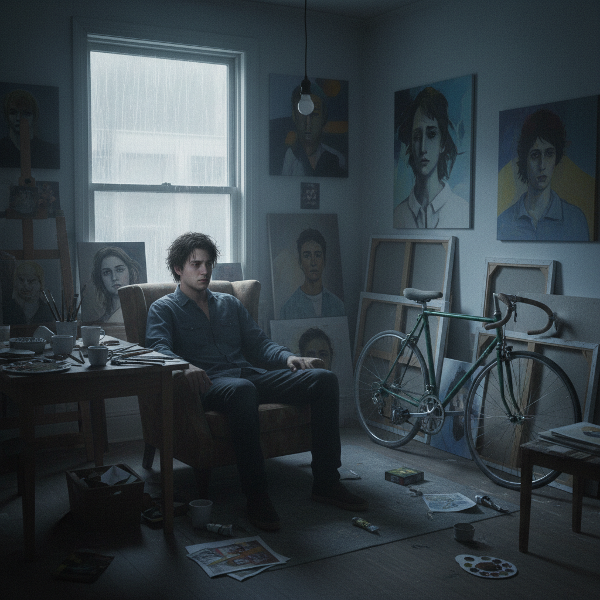
Alex, your experience of persistent apathy, lack of motivation, sleep difficulties, withdrawal from social interactions, low appetite, and concentration problems over six months is concerning and could indeed be indicative of clinical depression or a related mood disturbance. It is important to recognize that these symptoms are not signs of laziness or a mere low phase but rather significant emotional challenges that deserve careful attention. Given your description as an introverted dreamer and sensitivities to noise and crowds, it is also possible that your high sensitivity contributes to feeling overwhelmed, which can exacerbate withdrawal and low mood.
Starting with online therapy is a reasonable and constructive approach, especially since you feel anxiety about seeing a therapist in person. Online therapy can provide a safe, accessible, and flexible environment to explore your feelings and develop coping strategies without the immediate stress of in-person visits. Engaging with a therapist online can help you build trust and confidence, which may eventually make it easier to consider in-person support if needed.
In addition to therapy, incorporating relaxation and mental preparation strategies can support your recovery. Techniques such as deep breathing exercises, while helpful, are often more effective when practiced regularly and combined with mindfulness meditation focused on non-judgmental awareness of your thoughts and feelings. Gradual exposure to social situations, paced at your comfort level, can help reduce overwhelm in crowded or noisy environments. Setting small, achievable goals in your daily routine-like briefly engaging in a hobby or taking a short walk-can help combat inertia and stimulate interest.
Keeping a consistent sleep schedule, even with shift work challenges, eating nourishing food despite low appetite, and seeking moments of nature or quiet time can also contribute to improved mood and energy. If these symptoms persist or worsen, professional mental health support is strongly advised. Remember, your feelings are valid, and seeking help is a sign of strength, not weakness. You are not alone, and with appropriate support and strategies, regaining your energy and interest is possible.
© 2026 Anna Heal. Human + Artificial Intelligence