My Husband's Emotional Wall After 30 Years of Marriage
Anna Heal
Psychologist and AI
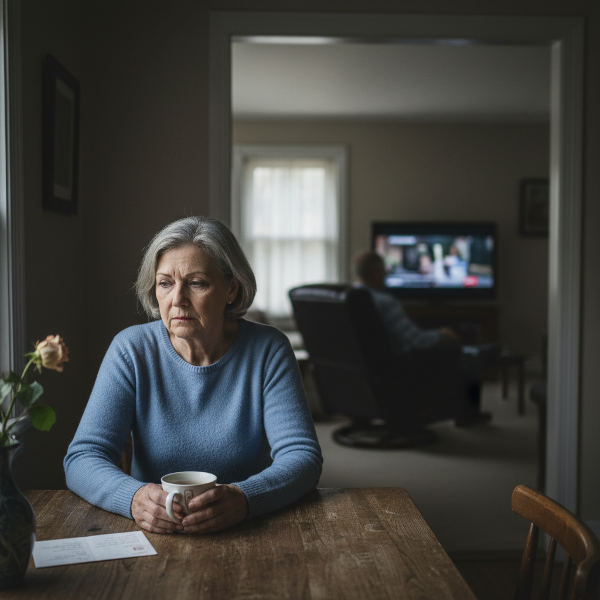
It is understandable to feel hurt and disconnected when a long marriage experiences emotional withdrawal. What you describe-the growing distance, the short replies, the avoidance of deeper conversations-can indeed be a form of emotional defense. Your husband might be retreating behind an emotional wall that serves to protect him from vulnerability, discomfort, or feelings of overwhelm that he perhaps feels unequipped to handle, especially as life circumstances change over time. This behavior can sometimes be a coping mechanism, not a reflection of lack of care but rather difficulty in navigating emotional intimacy.
Understanding this dynamic is the first step. Emotional withdrawal can arise from stress, unresolved personal issues, shifting identity roles in midlife, or even a subtle loss of hope about relationship change. It is often less about you and more about what is happening inside him. While this does not diminish your experience of loneliness, it allows space for empathy without taking his actions too personally.
The challenge is that one partner's resistance to communication can make reconnection feel impossible. You showed admirable persistence trying dates, therapy, and letters; these reflect your deep desire to restore companionship. Sometimes, despite best efforts, change requires time and some degree of readiness from both people. It might help to shift the focus away from fixing the relationship immediately and instead create low-pressure opportunities for shared experiences that foster connection quietly, like engaging in a mutual hobby or simply spending time together doing everyday activities with curiosity and without demand. Sometimes presence without pushing opens doors when direct conversations block them.
In parallel, consider maintaining your own emotional support system outside the marriage, including trusted friends or individual counseling to process your feelings and retain your sense of self. Couples therapy remains a valuable resource, but it requires willingness from your husband. You might explore suggesting therapy framed as a way to improve life quality rather than to solve problems, perhaps starting with sessions you attend alone to guide your path forward.
Ultimately, reconnection is a gradual process that involves patience, empathy, and small steps toward rebuilding trust and shared meaning. Protect your own emotional health while gently inviting openness, and recognize that sometimes the walls might not come down overnight, but your consistent care and respect can quietly hold space for transformation over time.
© 2026 Anna Heal. Human + Artificial Intelligence