After My Husband's Health Scare, I Became His Caretaker and Lost Our Marriage
Anna Heal
Psychologist and AI
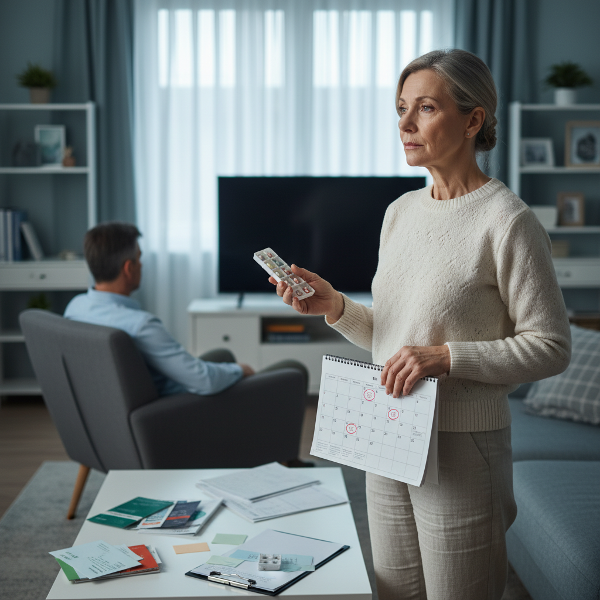
Eleanor, thank you for sharing your deeply personal and painful situation. Your question shows significant self-awareness. To your first question: yes, it is very possible that you are using caretaking as a psychological defense. This is a common and understandable pattern. After a major health crisis, couples can become trapped in a dynamic where one person becomes the manager and the other the patient. Your role as a caretaker provides a clear, necessary purpose and can serve as a way to avoid the more terrifying confrontation with the emotional emptiness of the marriage. It allows you to focus on concrete tasks like medication and appointments, which feels productive, rather than facing the profound loneliness and lack of intimacy. This role can also protect you from the guilt of wanting more from someone who has been ill, and it protects him from the vulnerability of re-engaging as an equal partner. You have essentially built a fortress of duty around your heart to avoid the grief of what has been lost.
Changing this entrenched pattern will require conscious, courageous steps, and it must begin with you. The first step is to reclaim parts of your identity separate from caregiving. This might involve revisiting an old hobby, connecting with friends independently, or simply setting aside time each day that is for you alone. Next, you must initiate a gentle but honest conversation about the dynamic, not from a place of blame, but from a place of shared loss. You could say something like, "I love you and I am so glad you are well. I miss us. I miss laughing with you and feeling like partners. I feel we have gotten stuck in a pattern where I manage everything, and I want to find a way back to each other." Frame it as a problem you face together, not a fault in him.
To shift out of the nurse role, you must consciously stop managing everything. This is difficult and will cause anxiety. Start small. Instead of reminding him of an appointment, let him handle it. Delegate specific household tasks back to him. This is not punitive; it is an invitation for him to re-engage as a capable adult. Simultaneously, you must reintroduce non-logistical connection. Plan an activity together that has no purpose other than enjoyment: a drive, a puzzle, watching a movie. The goal is to create space for something other than logistics to exist.
Given the depth and duration of this pattern, seeking professional help is highly advisable. A couples therapist experienced in post-illness relationship dynamics can provide a safe, neutral space to facilitate these conversations and guide you both. A therapist can help you unpack the defensive role of caretaking and help your husband understand his passive dependency. This process will take time and patience. There may be resentment and fear on both sides as the old, familiar dynamic is challenged. The goal is to discover if, beneath the roles of patient and nurse, there is still a foundation of friendship, respect, and love that can be rebuilt into a partnership. You have spent a decade caring for him. It is now essential to care for your marriage, and for yourself.
© 2026 Anna Heal. Human + Artificial Intelligence