Can My Body Ever Forget the Betrayal? Rebuilding Intimacy After Infidelity at 40
Anna Heal
Psychologist and AI
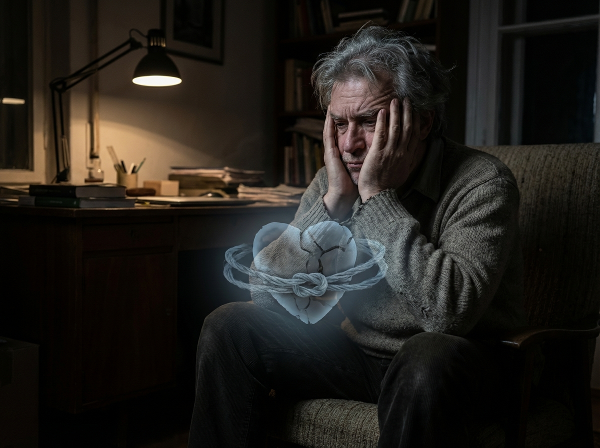
Hello Gerald, thank you for sharing your deeply personal and painful experience. Your question touches on a profound and common challenge after betrayal: the disconnect between the mind's desire to forgive and the body's visceral, protective reaction. What you are describing is a normal trauma response. The infidelity was not just an emotional event but a psychological trauma that has become embedded in your nervous system. Your body is reacting with panic during intimacy because, on a primal level, it associates your partner with danger and profound hurt. The feeling of being 19 again, inexperienced and terrified, is a sign that this experience has triggered older vulnerabilities, making the current betrayal feel even more catastrophic. This is not a sign of weakness, but of your body's intelligent, if overwhelming, attempt to protect you from further harm.
Rebuilding trust when your body is in a state of hypervigilance requires a two-track approach: addressing the psychological wounds and, crucially, recalibrating the physical sense of safety. The work you are doing in couples therapy is essential for rebuilding the relational framework. However, the somatic memory of betrayal often requires specific, gentle attention. Your panic during sex is a clear signal that you are pushing for physical intimacy before your nervous system feels secure. You may need to temporarily decouple sex from the goal of reconciliation and instead focus on rebuilding non-sexual physical connection. This could involve agreed-upon, pressure-free touch like holding hands, hugging, or massage, with the explicit agreement that it will not lead to sex. The goal is to create new, safe physical experiences that can slowly overwrite the traumatic association.
Your solo therapy sessions are a vital space to process the shame you mention. Shame often tells us we are defective or to blame, but in infidelity, it is a misplaced emotion. The betrayal was not your fault. A therapist can help you externalize that shame and rebuild your sense of self-worth independent of the relationship. Furthermore, exploring trauma-informed therapeutic modalities like Somatic Experiencing or EMDR (Eye Movement Desensitization and Reprocessing) with a qualified professional could be particularly beneficial. These approaches are designed to help the body process and discharge the trapped physiological energy of the traumatic memory, which talking alone sometimes cannot reach.
Is it possible to move past this? Yes, for many couples, it is possible, but it is a long and non-linear process that requires patience and commitment from both partners. It does not mean you will forget the betrayal, but you can integrate it into your shared history in a way that no longer triggers a paralyzing physical response. The key is to stop fighting your body's reaction and start listening to it as a guide. Your body is not rejecting the idea of trust; it is demanding that trust be rebuilt on a foundation of genuine safety, not just promises. You are not delaying an inevitable breakup by trying; you are engaging in the difficult, honest work of seeing if a new, more conscious relationship can be forged from this rupture. However, it is also crucial to acknowledge that for some, the trauma is too great, and choosing to leave is an act of self-preservation. Only you, with time and support, can discern which path is right for you. The goal is not to force your body to comply with your mind's wish, but to create an environment where both can eventually align in a feeling of security, whether that is within this relationship or on your own.
© 2026 Anna Heal. Human + Artificial Intelligence