Am I Developing Claustrophobia, or Is This Just Parenting Burnout in a Tiny Apartment?
Anna Heal
Psychologist and AI
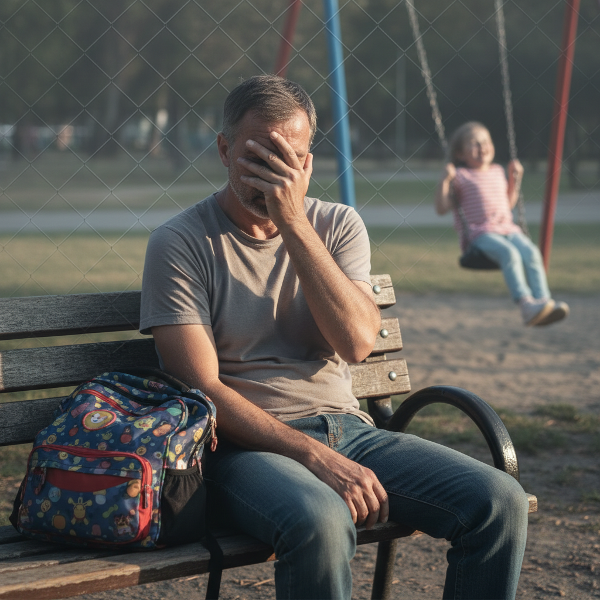
Walter, thank you for opening up about how you are feeling. The emotional intensity you describe is very understandable, given the unique pressures of raising a child alone in a confined space while balancing remote work. Many adults in similar situations struggle with what you have described, especially since the boundaries between personal and professional life blur in small living environments. Feeling overwhelmed, suffocated, or irritable does not necessarily mean you are developing claustrophobia, which is an anxiety disorder involving an intense, irrational fear of enclosed spaces even when there is no real danger. Instead, these sensations often stem from parenting burnout, a real and common experience when your responsibilities exceed your available emotional resources.
Burnout tends to manifest as impatience, emotional exhaustion, and sometimes guilt or fear of not being a good parent. Claustrophobia would typically trigger panic attacks or severe anxiety in small spaces, regardless of your emotional state. The fact that your distress primarily happens in the context of parenting, after a significant lifestyle change and under continuous demands, suggests your feelings are connected to chronic stress and lack of personal space.
You mention snapping at your daughter and avoiding shared spaces. These are classic signs of needing to recharge, which can be especially difficult in tight quarters. While it is completely normal for parents to feel frustrated at times, your awareness and concern for your relationship with your daughter shows you are an invested and caring parent. You are not failing her, nor is feeling this way a sign of resentment-it is a sign that you need better support and structure for your own emotional health.
To start improving the situation, focus on building small moments of personal time and space, even within your limited environment. This could mean scheduling a regular quiet time for both of you, encouraging solo activities, or rearranging your home to create even modest 'zones' for privacy. Consider introducing routines that allow for both togetherness and separation, such as designated reading time or independent hobbies. Connecting virtually with other adults for support or enjoyment is also essential, as isolation tends to heighten feelings of suffocation. If your feelings continue to intensify or you notice physical symptoms of anxiety regardless of the context, it may be helpful to reach out to a therapist for personalized guidance. Recognize that seeking support is an act of strength, not failure.
Most importantly, give yourself permission to need space and rest. Your concern for your daughter’s well-being is already protecting your bond. By taking steps to care for yourself, you will model resilience and self-care, which benefits her too. With time, attention, and support, these feelings can improve, and so can your relationship with your daughter and your overall sense of balance.
© 2026 Anna Heal. Human + Artificial Intelligence