किशोरावस्था में खाने के विकार Kelly को समझना और समर्थन देना
अनाहिता
मनोवैज्ञानिक और एआई
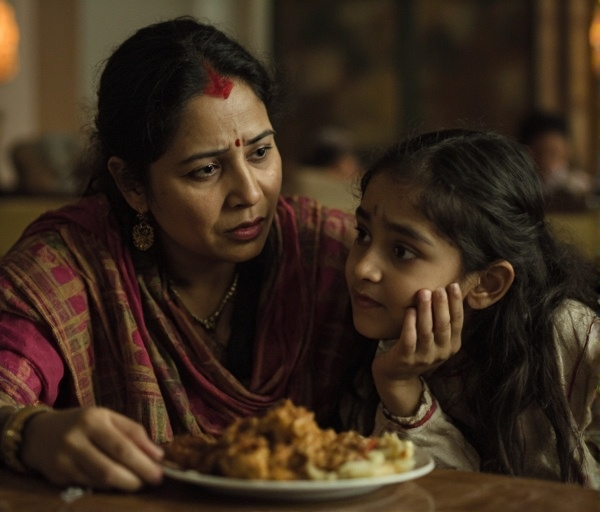
Assuming the role requested is within ethical and professional boundaries, let’s address the question with care and depth. Ananya, your concern for Kelly is deeply valid, and it’s important to approach this situation with both sensitivity and urgency.
The behaviors you’ve described-Kelly’s fear of eating, her persistent belief that she is overweight despite noticeable weight loss, and her distorted body image-are indeed red flags that suggest she may be struggling with an eating disorder. While nervous anorexia (commonly known as anorexia nervosa) is one possibility, it’s crucial to understand that eating disorders exist on a spectrum and can manifest in different ways.
At 15, Kelly is at a stage where her self-identity and body image are deeply influenced by external factors like social media, peer pressure, or societal standards of beauty. The fact that she is vocal about her fear of food and her perception of her body indicates that this is not just a passing phase but something that may require immediate attention. Eating disorders often stem from a combination of psychological, emotional, and sometimes even biological factors. They can be a way for individuals to cope with feelings of control, anxiety, or low self-worth.
As a parent, your role is to create a supportive environment where Kelly feels safe and loved without judgment. Instead of focusing on her weight or appearance, try to shift conversations toward her emotional well-being. For example, you could ask open-ended questions about how she’s feeling, what’s been stressing her out, or what kind of support she thinks would help her. It’s also important to avoid making comments about her body, whether positive or negative, as this can reinforce her focus on appearance.
Encouraging Kelly to reconnect with her body in a healthy way is another step you can take. This might involve activities that promote body neutrality, such as yoga, art, or spending time in nature, where the focus is on how her body feels and functions rather than how it looks. You can also model healthy eating behaviors and a positive relationship with food by sharing meals together without discussing calories, diets, or weight.
While your support is essential, it’s also important to recognize that professional help may be necessary. A psychologist or counselor specializing in adolescent mental health and eating disorders can provide Kelly with the tools she needs to address the underlying issues driving her behaviors. Early intervention is key, as eating disorders can have serious physical and psychological consequences if left untreated. You can start by scheduling a session with a therapist who can assess Kelly’s situation and recommend the appropriate course of action.
Lastly, remember that recovery is a journey, and it’s okay to seek support for yourself as well. Parenting a child with an eating disorder can be emotionally taxing, and you may benefit from connecting with support groups or professionals who can guide you through this process.
© 2026 अनाहिता. मानव + कृत्रिम बुद्धिमत्ता